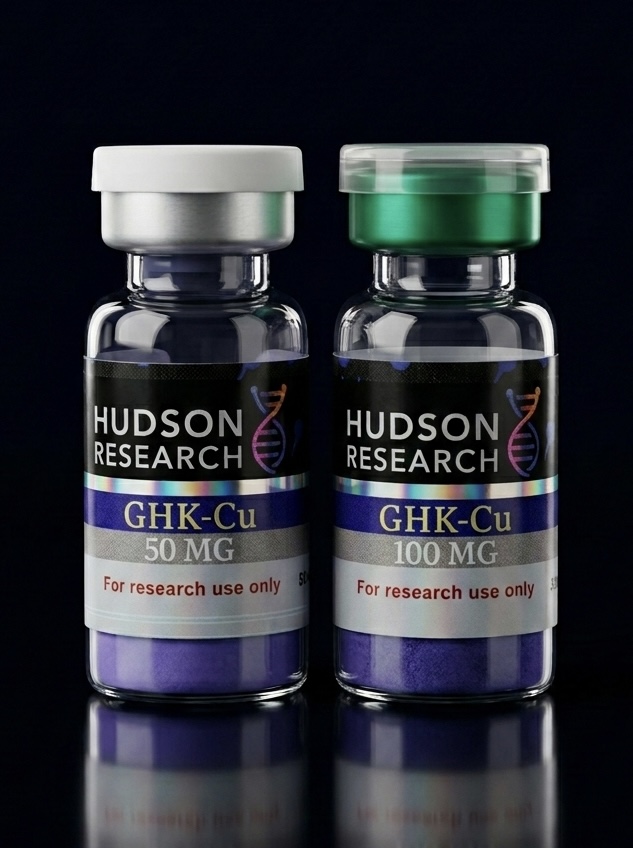
Description
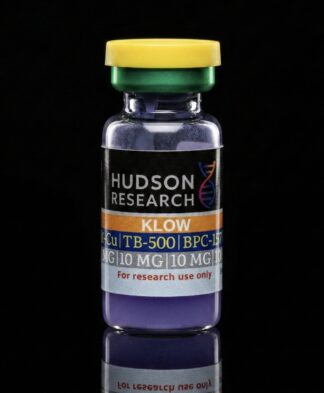
Product Name: GHK-Cu (Copper Peptide) Molecular Formula: C14H22N6O4Cu (Complex) Molar Mass: ~401.9 g/mol Sequence: Gly-His-Lys (complexed with Copper II)
Product Overview Originally isolated from human plasma in 1973, GHK is a tripeptide that declines significantly with age. It possesses a strong affinity for copper ions, forming the GHK-Cu complex. This complex is critical because copper is a cofactor for lysyl oxidase, an enzyme essential for collagen and elastin cross-linking. By safely delivering copper to cells, GHK-Cu acts as a “feedback signal” for tissue remodeling, shifting the cellular state from an inflammatory to a regenerative phenotype.
Mechanism of Action GHK-Cu influences cellular behavior through genomic and biochemical pathways:
-
Gene Modulation: Research indicates it modulates the expression of over 4,000 genes, generally upregulating genes involved in DNA repair and tissue restructuring while downregulating pro-inflammatory genes (e.g., TNF-alpha, IL-6).
-
ECM Remodeling: It stimulates fibroblasts to produce collagen, elastin, and glycosaminoglycans (GAGs), while simultaneously regulating the breakdown of damaged proteins via metalloproteinases.
-
Stem Cell Support: It helps maintain the proliferative potential of epidermal stem cells.
-
Neuroprotection: Emerging research suggests it prevents oxidative stress-induced neuronal death and may restore nerve function.
Research Applications GHK-Cu is a staple in dermatological and regenerative research, used to study:
-
Wound Healing: Accelerating the closure of wounds and improving the tensile strength of the resulting tissue.
-
Anti-Aging: Investigating the reduction of fine lines, improvement in skin density, and reversal of photo-damage in skin explant models.
-
Hair Growth: Studying its ability to enlarge hair follicle size and stimulate hair growth phases (anagen) comparable to minoxidil in animal models.
-
Lung Injury: Researching its protective effects against acute lung injury and fibrosis by inhibiting inflammatory cytokines.
Storage and Handling
-
Storage: Store lyophilized powder at 2-8°C. Note: GHK-Cu is hygroscopic and typically appears as a blue powder.
-
Stability: Stable for 2 years when stored properly. Reconstituted solutions are stable at 4°C for approximately 3–4 weeks.
Disclaimer: This material is sold for research and development purposes only. It is not intended for human ingestion, diagnostic, therapeutic, or clinical procedures. All research must be conducted by qualified professionals in a laboratory setting.