Description
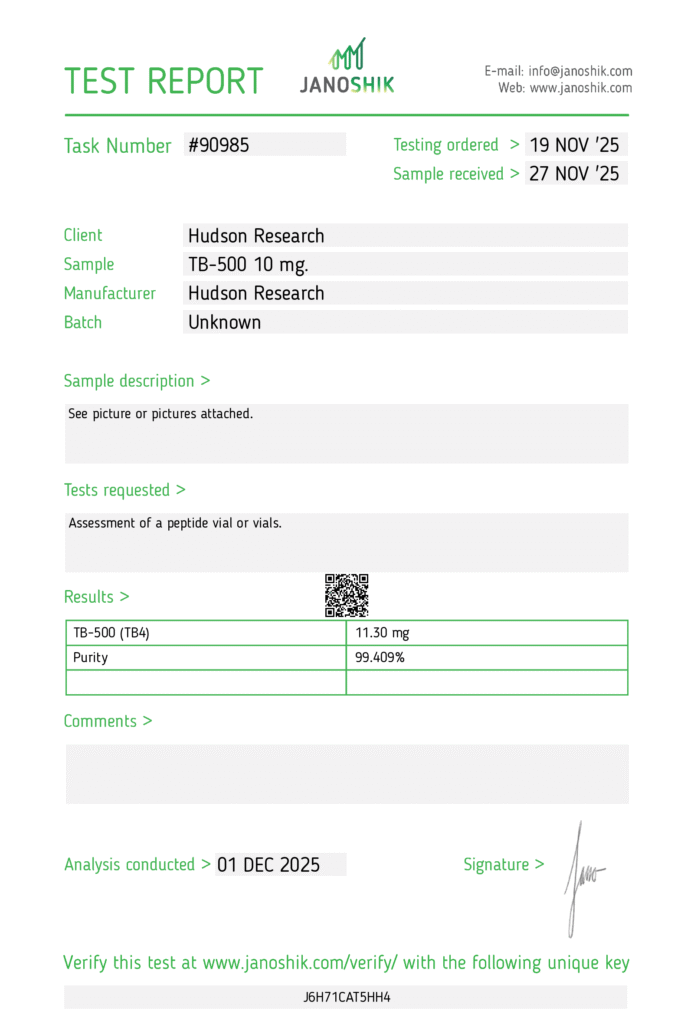
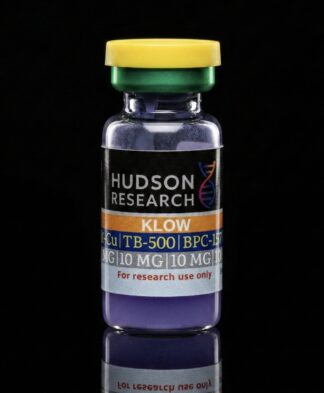
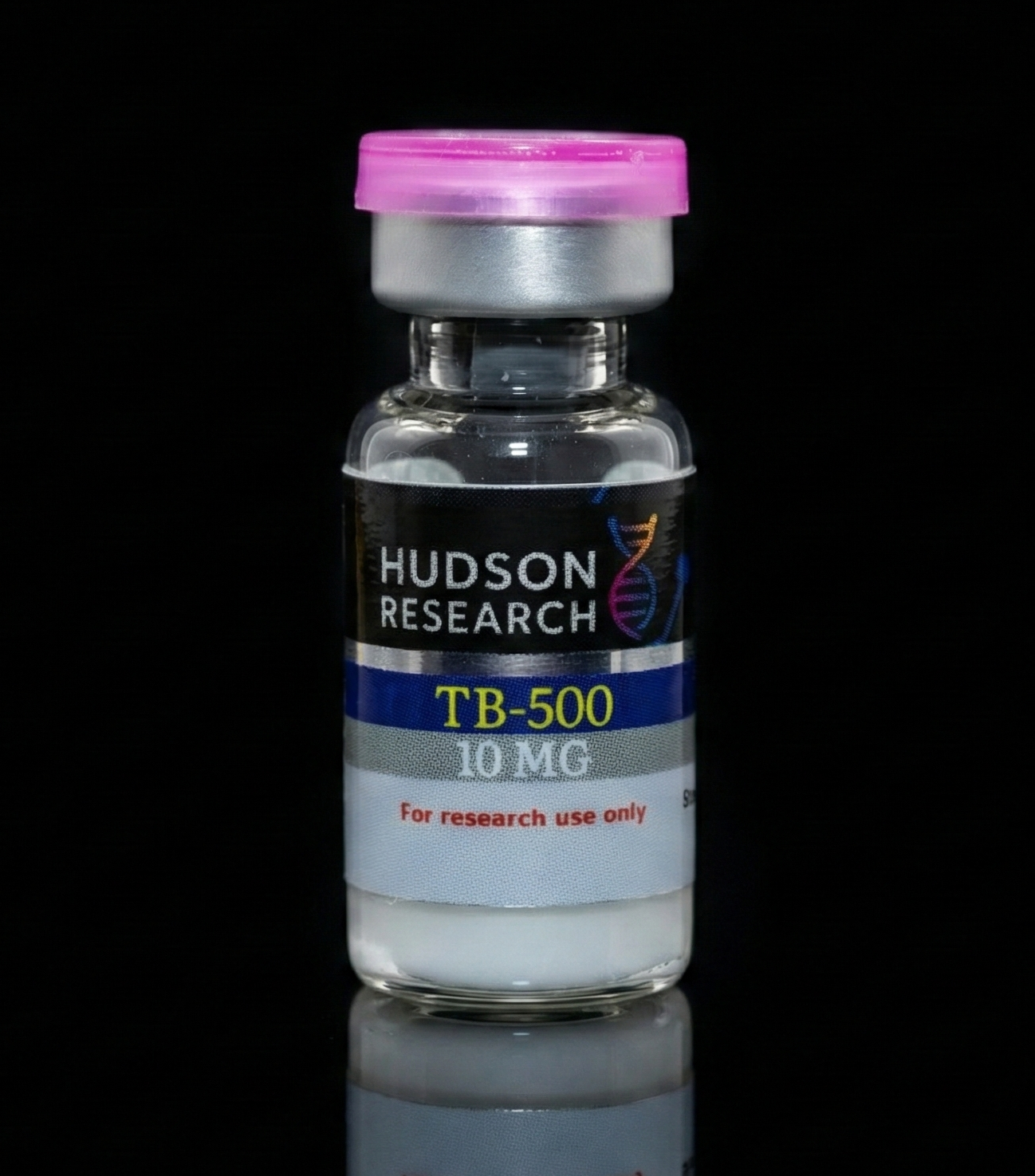
Product Name: TB-500 (Thymosin 4) Molecular Formula: C212H350N56O78S Molar Mass: ~4963.5 g/molSequence: Ac-Ser-Asp-Lys-Pro-Asp-M-A-E-I-E-K-F-D-K-S-K-L-K-K-T-E-T-Q-E-K-N-P-L-P-S-K-E-T-I-E-Q-E-K-Q-A-G-E-S-OH
Product Overview TB-500 is a synthetic peptide that replicates the structure and function of Thymosin Beta-4, a protein released by platelets and macrophages during the injury response. Its primary biological function is to bind to G-actin (monomeric actin) and block its polymerization into F-actin filaments until specifically signaled. This regulation of the cellular cytoskeleton makes TB-500 a critical factor in cellular mobility and structural repair.
Mechanism of Action TB-500 operates through unique pathways distinct from growth factors like BPC-157:
-
Actin Sequestration: By maintaining a pool of G-actin monomers, TB-500 allows for rapid cytoskeletal reorganization. This is essential for cell migration to the site of injury.
-
Angiogenesis: Research demonstrates it stimulates the migration of endothelial cells and keratinocytes, promoting the formation of new blood vessels.
- Anti-Fibrotic Activity: It has been observed to modulate the “smad” signaling pathway, potentially reducing myofibroblast differentiation and decreasing the deposition of excessive collagen (scar tissue).
-
Anti-Inflammatory: It downregulates inflammatory cytokines, aiding in the transition from the inflammatory phase to the remodeling phase of healing.
Research Applications TB-500 is a staple in regenerative biology research, particularly for:
-
Muscle and Tendon Repair: Investigating its ability to speed up recovery in muscle fibers and improve tissue flexibility post-injury.
-
Cardiac Healing: Studies focusing on its potential to stimulate cardiomyocyte migration and survival following myocardial infarction (heart attack).
-
Corneal and Dermal Wounds: Research into its efficacy in healing surface wounds, including corneal abrasions, with minimal scarring.
-
Neuroplasticity: Emerging evidence suggests a role in promoting neural cell growth and survival in models of neurological damage.
Storage and Handling
-
Storage: Store lyophilized powder at 2-8°C. Protect from light.
-
Stability: Stable for 2 years when stored properly in lyophilized form. Once reconstituted, it should be used within 8 days if stored at 4°C, as it degrades faster than other peptides in solution.
Disclaimer: This material is sold for research and development purposes only. It is not intended for human ingestion, diagnostic, therapeutic, or clinical procedures. All research must be conducted by qualified professionals in a laboratory setting.