Description
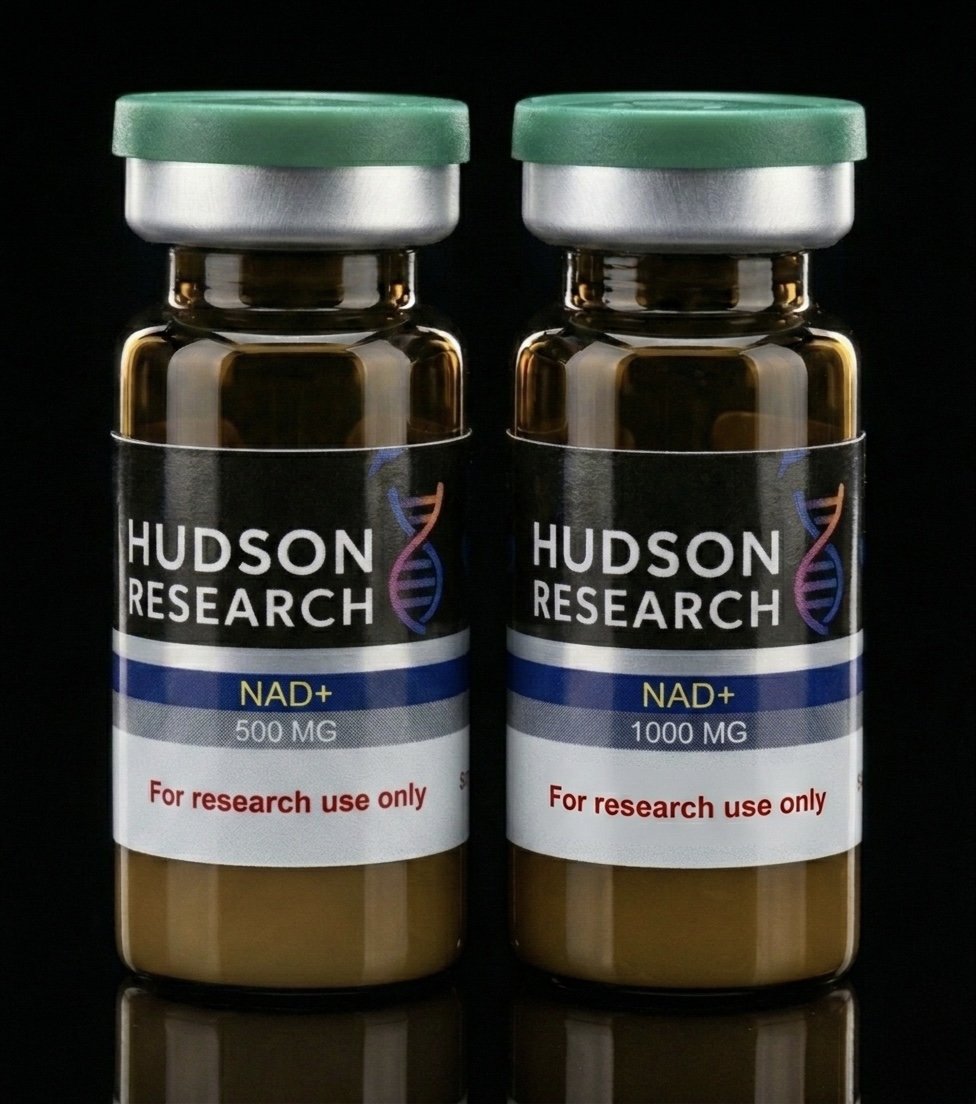
Product Name: NAD+ (Nicotinamide Adenine Dinucleotide, Oxidized Form)
Molecular Formula:
Molar Mass: ~663.43 g/mol
Solubility: Soluble in water
Product Overview
NAD+ is a dinucleotide that serves as a vital cofactor in cellular metabolism. It exists in two forms: oxidized (NAD+) and reduced (NADH). Research indicates that NAD+ levels decline significantly with age, leading to mitochondrial dysfunction and reduced cellular viability. Unlike precursors (like NMN or NR) which must be converted by the body, this product is the direct, active coenzyme, utilized in research to bypass rate-limiting enzymatic steps in the salvage pathway.
Mechanism of Action NAD+ influences cellular physiology through three primary pathways:
-
Energy Metabolism (Redox): It acts as an electron carrier in the Krebs cycle and oxidative phosphorylation, directly enabling the production of Adenosine Triphosphate (ATP) in the mitochondria.
-
Sirtuin Activation: It is the rate-limiting substrate for Sirtuins (SIRT1–SIRT7), a family of proteins that regulate cellular health, aging, and inflammation. Without sufficient NAD+, Sirtuins cannot function.
-
DNA Repair: It is consumed by PARP enzymes (Poly (ADP-ribose) polymerases) to repair damaged DNA.
-
CD38 Signaling: It plays a role in calcium signaling and immune response via the CD38 enzyme.
Research Applications NAD+ is a cornerstone in longevity and addiction research, specifically regarding:
-
Anti-Aging: Investigating the restoration of mitochondrial function and the reversal of age-related biomarkers.
-
Neuroprotection: Studies focusing on preserving neuronal health in models of Alzheimer’s, Parkinson’s, and traumatic brain injury.
-
Addiction and Withdrawal: Researching its ability to resaturate brain receptors and reduce cravings/withdrawal symptoms in substance dependency models.
-
Metabolic Disorders: Exploring its role in improving glucose tolerance and lipid profiles.
Storage and Handling
-
Storage: Store lyophilized powder at 2-8°C. Protect from light and moisture.
-
Stability: Stable for 1–2 years in lyophilized form.
-
Reconstitution Warning: NAD+ is highly unstable in solution. Unlike peptides, it degrades rapidly into Nicotinamide if left in liquid form. Reconstituted solutions should be stored at 4°C and used within a very short window (typically 3–7 days) to ensure research integrity.
Disclaimer: This material is sold for research and development purposes only. It is not intended for human ingestion, diagnostic, therapeutic, or clinical procedures. All research must be conducted by qualified professionals in a laboratory setting.